
Nigeria church attack: What happened and why it matters
When a Nigeria church attack, a violent assault targeting worshippers during religious services in Nigeria. Also known as religious violence in northern Nigeria, it often involves armed militants targeting Christian congregations during Sunday services. happens, it doesn’t just leave behind broken pews and bloodstained floors—it shatters trust in safety, faith, and government protection. These attacks aren’t random. They’re part of a pattern that’s been escalating for over a decade, with groups like Boko Haram, an Islamist extremist group based in northeastern Nigeria that has carried out thousands of attacks since 2009 and offshoots like ISWAP using churches as symbols of Western influence and targets of religious cleansing.
The victims are rarely fighters or politicians. They’re mothers, students, elders, and children who showed up for prayer. In 2022 alone, over 150 people were killed in church attacks across Plateau, Benue, and Taraba states. Many of these attacks happen in rural areas where police presence is minimal and emergency response is slow. Even when the military responds, it’s often too late. Survivors describe hearing gunfire before the doors were locked, and some churches now have armed guards—not for show, but because they’ve learned the hard way that no one else will protect them.
The Nigerian government’s response has been inconsistent. While officials condemn the violence in press releases, local leaders say little changes on the ground. Some communities have started building walls around their churches. Others have moved services to hidden locations or switched to early morning gatherings. Meanwhile, Christian communities, a growing demographic in northern Nigeria that faces increasing marginalization and targeted violence are organizing networks to share intel, warn each other of threats, and support families who lost loved ones. These aren’t just religious groups—they’re survival networks.
What makes this worse is how little attention it gets internationally. While global media covers terrorist attacks in Europe or the U.S. with headlines and live coverage, church massacres in Nigeria often fade from the news cycle within days. But for the people living there, it’s every Sunday. And it’s not just about fear—it’s about identity. These attacks aren’t just trying to kill people. They’re trying to erase a way of life.
Below, you’ll find real stories and reports from the ground—details on recent incidents, who’s being blamed, how communities are fighting back, and what’s being done—or not done—to stop it. This isn’t just about one attack. It’s about what’s happening now, in plain sight, and who’s still speaking up.
Gunmen Kill Two, Kidnap Pastor in Nigeria Church Amid Rising US Pressure
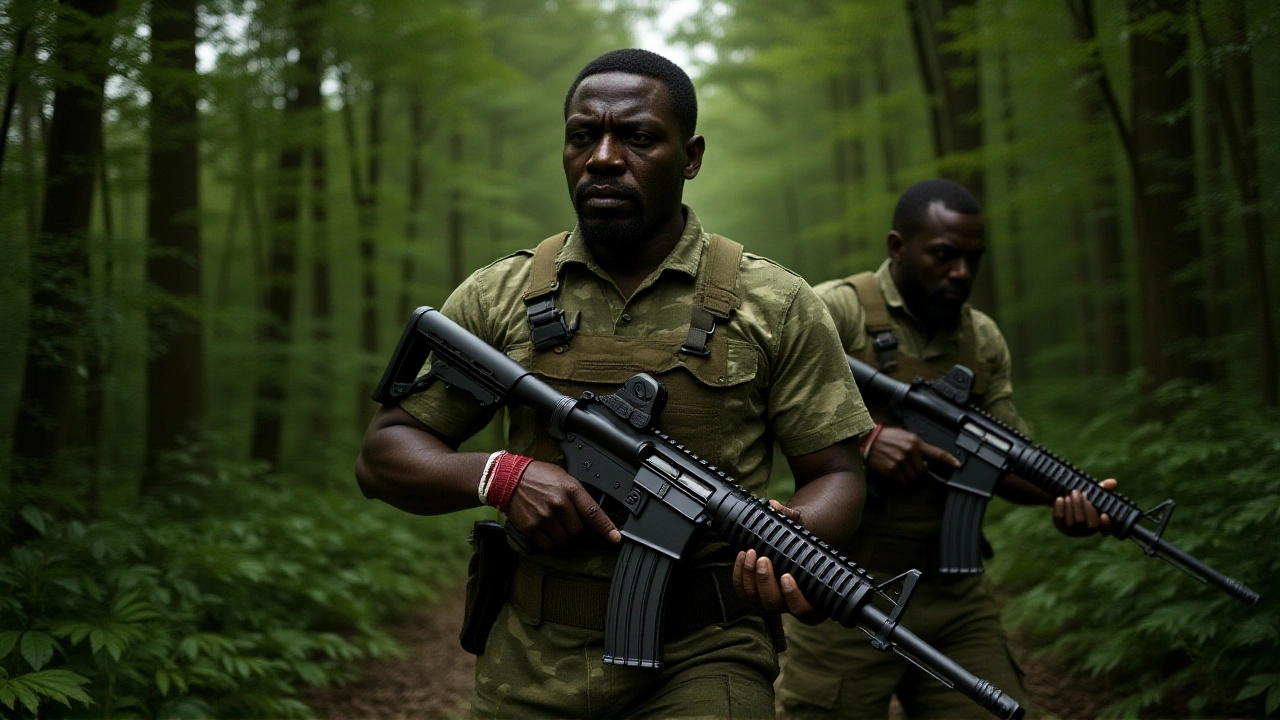
Gunmen killed two and kidnapped a pastor during a church attack in Kwara State, Nigeria, on November 18, 2025 — one day after 25 schoolgirls were abducted in Kebbi State. With 857 abductions in 2025 alone, rising US pressure is forcing Nigeria to confront its deepening security crisis.
More