
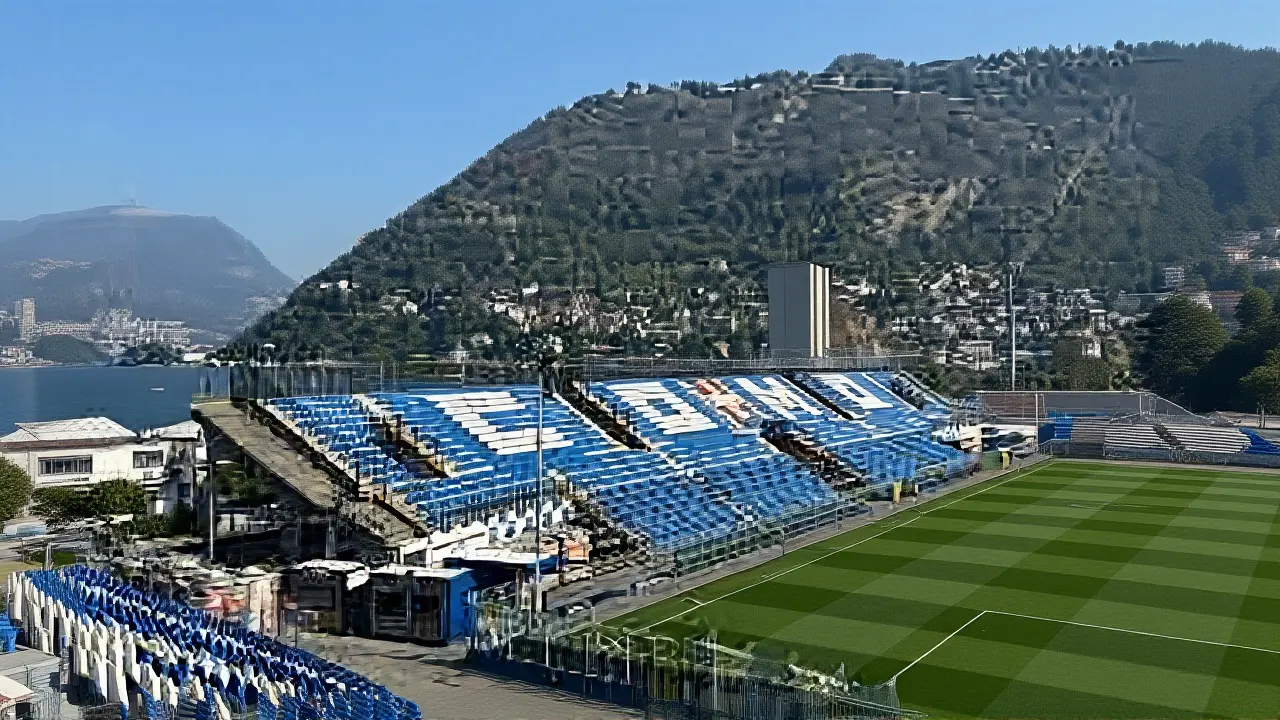
It’s shaping up to be a bitter winter for football fans and residents alike in Como. The city is locked in a fierce tug-of-war over the future of its beloved home ground, with promises of European glory clashing against fears of urban destruction.
The heart of the storm? Stadio Giuseppe Sinigaglia. As Como 1907 prepares for their debut in European competitions during the 2026/27 season, the current venue simply doesn’t cut it for UEFA. Strict requirements regarding infrastructure and hospitality mean the old tubular stands must go. But how they’re replaced—and what replaces them—is where things get messy.
A Race Against the Clock
Here’s the thing: time isn’t on anyone’s side. Mayor Alessandro Rapinese has been clear about his stance. "There is no way Como advances to the European cups and does not play the first match of these competitions here," he stated, underscoring the political urgency driving this rapid modernization plan.
The administration, working hand-in-hand with the club, has drafted a swift operational blueprint. It involves stripping out the aging metal structures and installing safer concrete ones. Construction is slated to begin after early June 2026, following a series of musical events currently scheduled at the venue. But it’s not just about seats. The broader vision includes a massive 19,000-square-meter complex featuring new hotels and commercial spaces surrounding the stadium.
Turns out, the most controversial part of the plan isn’t even inside the stadium walls. To make room for a multi-level parking lot for supporters, the city plans to close and demolish the Corridoni school. Yes, that’s right—a school that is still full of students. That detail alone has sparked outrage among parents and educators who see it as a blatant prioritization of profit over education.
The Height of Tension
Compromises have been made, but they haven’t eased tensions. Originally, developers wanted buildings reaching 22 meters high. Residents pushed back hard, asking for a cap at 16 meters. The final agreement? A height of 19 meters. According to the Soprintendenza (the regional heritage authority), this was deemed the minimum necessary to properly install lighting systems under the new roof structures, eliminating the need for unsightly external floodlight towers.
But for many locals, 19 meters is still too much. They worry about the visual impact on the lake view and the sheer volume of traffic such a development would bring to an already congested area. It’s not just about bricks and mortar; it’s about the soul of the neighborhood.
Legal Battles and Public Outcry
The opposition isn’t sitting quietly. The Citizens' Committee for the Protection of the Stadium Area in Como, formed in spring 2025, has become a formidable force. Representing over 1,600 petition signatories, they’ve launched a legal challenge. Lawyer Veronica Dini filed an appeal to the Regional Administrative Court (TAR) in Milan in February 2026, targeting the municipality’s decision from January 7, 2026.
Dini argues that procedural irregularities abound. She claims some opinions were ignored due to missing documentation, while others were highly critical yet overlooked by the municipality. "Blindly processing documentation and concealing the imbalance between public and private benefits constitutes a serious violation," Dini emphasized during public meetings. To fund their fight, the committee raised €20,000 through a community campaign, covering legal fees and independent urban planning expertise.
On May 4, 2026, the tension boiled over into a high-profile public meeting titled "The Sinigaglia We Want" at the Municipal Library. Crowds packed the room, seeking common ground amidst the chaos. The debate covered technical, urban planning, and legal aspects, highlighting the deep divide between those who want progress and those who fear devastation.
Mayor Stands Firm
Despite the backlash, Mayor Rapinese remains unmoved. He accuses the organizers of spreading falsehoods and creating artificial problems around early planning stages. "Procedural responsibility lies with the management level," he said, confirming that the political direction remains unchanged. The city intends to continue working with Como 1907 to deliver the new stadium, regardless of resident opposition.
Rapinese believes that if there are legal elements to examine, they should be submitted to competent bodies—but he insists the investment process will not halt. For him, the stakes are too high: hosting European matches is a matter of civic pride and economic opportunity.
What’s Next?
The future of Stadio Giuseppe Sinigaglia hangs in the balance. Much depends on the outcome of the TAR case and potential changes to the project based on public consultation. Police authorities, residents, and local politicians all raise valid concerns about safety, parking, and administrative transparency.
This isn’t just a local dispute—it’s a microcosm of broader debates about urban identity, sports infrastructure, and community rights. As Como waits for court decisions, one thing is certain: the conversation is far from over.
Frequently Asked Questions
Why does the stadium need redevelopment?
The current Stadio Giuseppe Sinigaglia does not meet UEFA’s strict requirements for hosting European matches, particularly concerning infrastructure and hospitality areas. Modernization is essential for Como 1907 to host games in the 2026/27 season.
What is the main concern of the Citizens' Committee?
The committee opposes radical changes that could damage the historic district’s character and its spatial relationship with Lake Como. Key issues include the demolition of the Corridoni school, increased traffic, and perceived procedural irregularities in the approval process.
When will construction begin?
Construction is scheduled to start after early June 2026, following planned musical events at the venue. This timeline aims to ensure the stadium is ready for the 2026/27 European competition season.
What is the status of the legal appeal?
Lawyer Veronica Dini filed an appeal to the Regional Administrative Court (TAR) in Milan in February 2026. The case challenges the municipality’s January 7, 2026 decision, citing procedural errors and lack of transparency. The outcome remains pending.
How much funding has the committee raised?
The Citizens' Committee successfully raised €20,000 through a community fundraising campaign. These funds support legal services, independent urban planning expertise, and administrative costs related to their opposition efforts.
Write a comment