
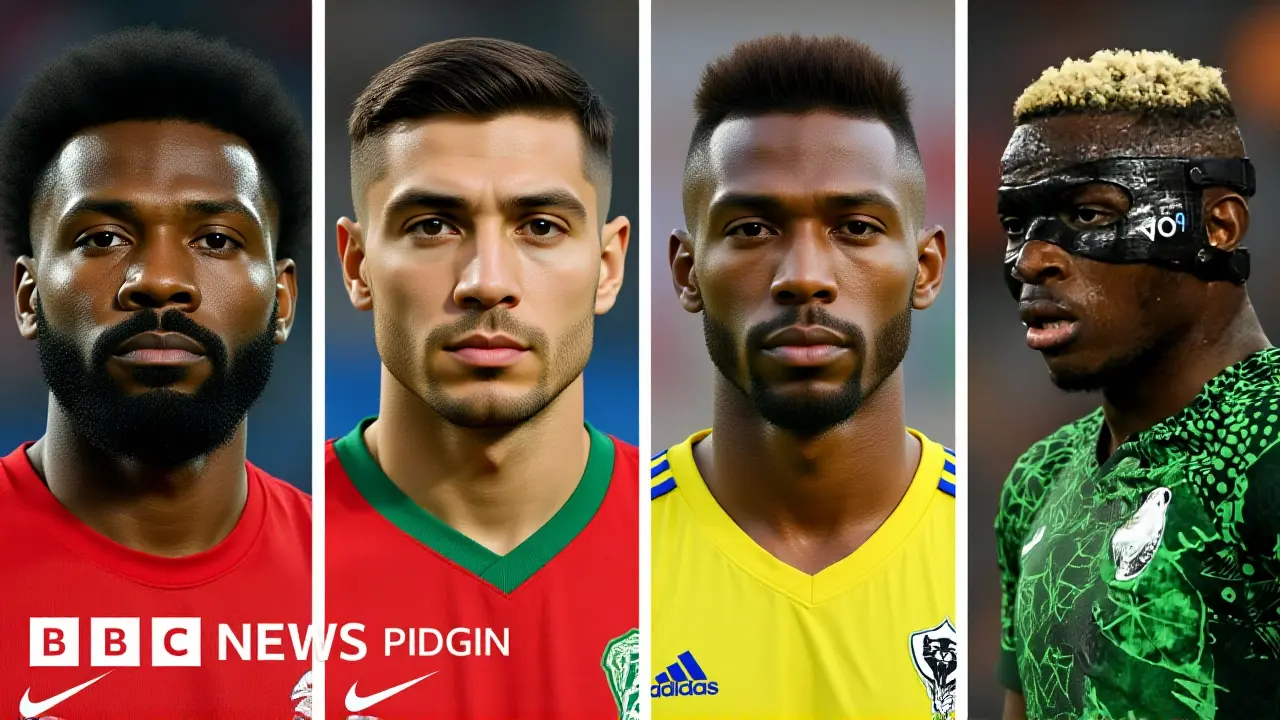
The dust has finally settled on the continent’s biggest football showdown, and the narrative shifted dramatically from the opening whistles to the final trophy presentation. When Confédération Africaine de Football (CAF) released the official squad lists back in late 2024, nobody could predict that the hosts would yield their crown so decisively to the Lions of Teranga. The TotalEnergies CAF Africa Cup of Nations Morocco 2025Morocco ran its course from December 21, 2024, through January 18, 2025, delivering weeks of intensity that culminated in a definitive technical review of the best performers across all 24 participating nations.
Squads That Shaped the Narrative
The tournament began with a familiar buzz around the group stage draws, specifically how the six groups were constructed to balance regional rivalry with competitive parity. Group A immediately drew eyes toward Morocco, the hosts who had been favored going into the competition after their stunning run at AFCON 2023. Head coach Walid Regragui assembled a final squad of 28 players by December 11, banking on home support to overcome the shock of losing to South Africa two years prior in Côte d’Ivoire. However, the road wasn’t easy for anyone. Even neighbors like Zambia and Comoros brought fierce resistance, with Comoros qualifying impressively ahead of Tunisia.
Meanwhile, the defending champions from 2024, Côte d’Ivoire, faced the pressure of expectation head-on. Their squad announcement was particularly scrutinized for one big omission and one major return. Coach Emerse Faé tasked with leading the Elephants to another title made a bold call regarding 33-year-old Wilfried Zaha. After nearly two years away, Zaha returned following an impressive stint with Charlotte FC in MLS, scoring 10 goals and providing six assists in 2025. While high-profile names like Nicolas Pépé missed out due to selection criteria, the inclusion of younger talents like Amad Diallo signaled a refresh for the core group.
Senegal’s Golden Era Continues
But talk among pundits quickly shifted once the tournament concluded. Senegal didn’t just participate; they dominated. As the 2021 AFCON winners (held belatedly in 2022), the team arrived in Marrakech ready to reclaim the mantle of African supremacy. Their squad boasted veterans still firing on all cylinders, most notably Sadio Mané and defender Kalidou Koulibaly. They weren’t alone, either. Emerging talents like Nicolas Jackson and Ismaïla Sarr reached peak form alongside the established stars.
This depth became evident when the CAF Technical Study Group (TSG) unveiled the Team of the Tournament. It was a heavy nod to the finalists, with four players from Senegal making the cut, including Mané and the midfield engine room of Pape Gueye and Idrissa Gueye. Interestingly, Morocco matched that number despite finishing lower in the standings, highlighting the narrow margins between second place and championship gold. The defensive partnership involving Moussa Niakhaté proved impregnable, contributing to a system that conceded remarkably few goals throughout the fortnight.
Technical Excellence and Player Spotlights
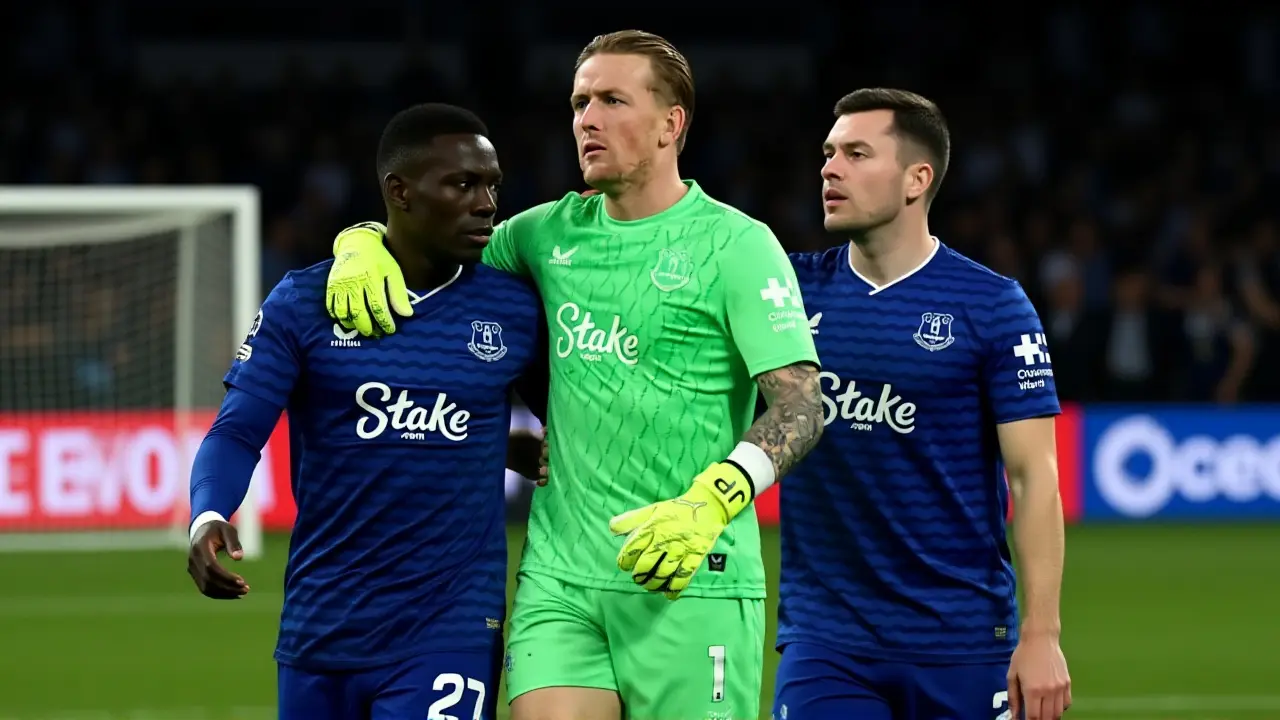
The selection process itself deserves credit for setting a new standard in African football analytics. According to CAF officials, the TSG utilized a fully integrated evaluation model combining remote assessment with on-site scrutiny. Live data platforms and multi-angle video feeds meant every pass was tracked, ensuring the final XI reflected genuine impact rather than just reputation. Goalkeeper Yassine Bounou took the top spot after conceding just two goals across seven matches, a statistic that speaks volumes about the tight defenses mounted by his teammates.
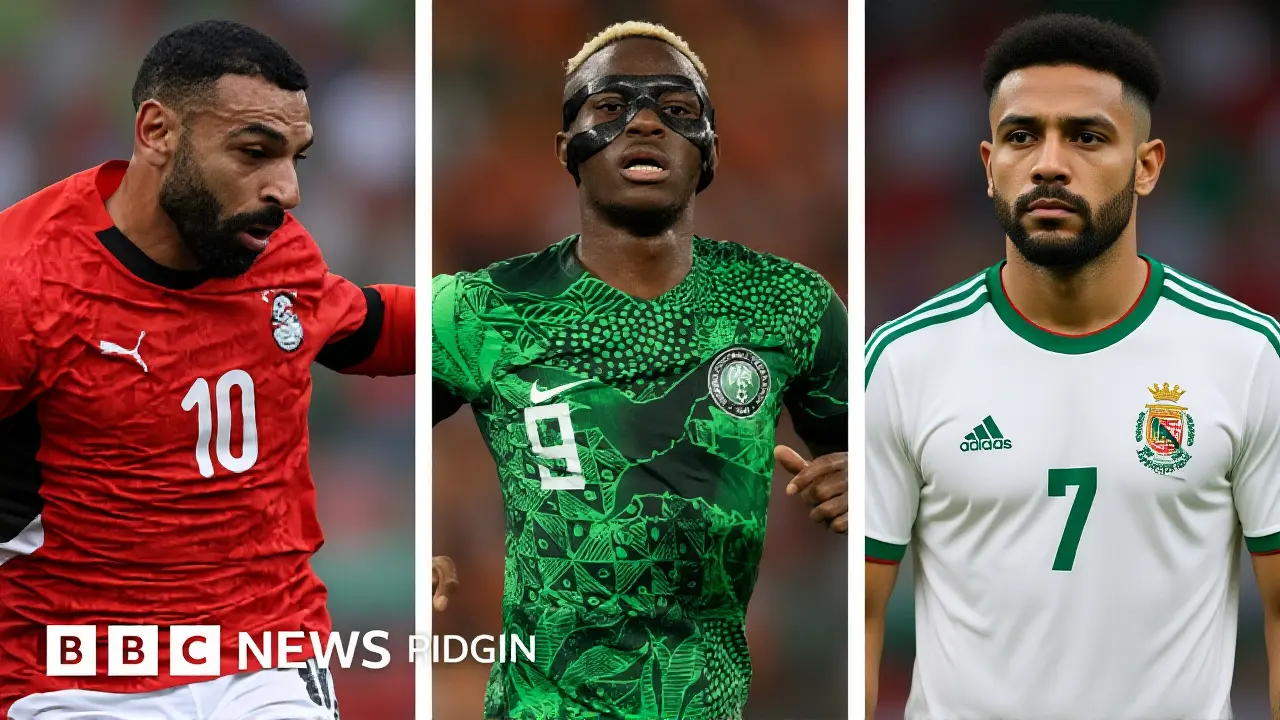
Nigeria’s third-place finish ensured their mark on the history books, too. The Super Eagles earned three spots in the Best XI, including striker Victor Osimhen, defender Calvin Bassey, and winger Ademola Lookman. These players highlighted the depth of Nigerian talent emerging in European leagues, proving that Patson Daka and Leicester City weren’t the only stories worth watching. The competitive nature of Group F, which included the formidable defense of Côte d’Ivoire and Gabon, forced every team to elevate their game plan significantly.
Frequently Asked Questions
How were players chosen for the Team of the Tournament?
The selection was handled by the CAF Technical Study Group using a hybrid model. They combined remote video analysis with live on-site assessments supported by dedicated analysts and real-time data platforms. This ensured that performances were judged objectively based on match statistics, tactical contribution, and consistency across all seven rounds of play.
Which countries dominated the final award nominations?
Morocco and Senegal shared the spotlight, with each nation securing four spots in the Best XI. Nigeria also performed exceptionally well by earning three positions despite finishing third overall. This distribution highlights how balanced the competition was, as neither the hosts nor the winners could claim a complete monopoly on individual accolades.
Did any major star players miss the tournament entirely?
Several notable absences were recorded, particularly from Côte d’Ivoire. High-profile defender Nicolas Pépé did not make the squad despite regular club appearances. Additionally, Torino defender Wilfried Singo missed out due to injury concerns. These exclusions were strategic decisions by coaches aiming to optimize squad dynamics rather than simply listing the biggest names.
When does the next Africa Cup of Nations take place?
CAF typically cycles through major qualifiers annually to determine the next edition. While Morocco hosted the 2025 event, the federation has begun preliminary discussions regarding future host nations. Interested fans should monitor the CAF official channels for release dates regarding qualification campaigns which usually begin a year before the finals.
Jason Davis
Senegal really pulled off something special here and you look at the squad depth to understand why completely. Mané is aging yet he still brings that fire to the pitch during crucial moments. Koulibaly anchors the backline like a true boss without ever panicking under pressure. The midfield engine room was just clicking together seamlessly throughout the entire fortnight. Pape Gueye and Idrissa Gueye understand each other perfectly without needing words to communicate. It wasn’t just luck that led them to victory in Morocco either. They moved the ball through spaces that others could barely find let alone exploit. Morocco fought hard as hosts and gave us some proper entertainment watching them run. Home crowd energy meant absolutely everything for the Atlas Lions despite the loss. Still, technical superiority showed up when it mattered most on the field of play. Bounou made key saves but his clean sheet stat stands out more than anything else recorded. Nigeria had Osimhen running wild too during their matches so credit is due there. Lookman speed caused real problems for the defensive lines set up by opponents. Third place feels strong though because they kept pushing forward relentlessly. It is a shame that some stars did not show up due to injury issues reported earlier.
Serena May
Stats dont lie 📊 Bounou was untouchable 😱 Senegal won fair 🌟
Cheryl Jonah
I am pretty convinced the refs were biased toward the home team before switching sides mid tournament. The penalty calls felt incredibly suspicious given the timing of the incidents involved. People ignore how the VAR booth operated during those critical five minute windows. Something doesn’t add up regarding the disciplinary records released publicly by CAF officials. You trust the process when the outcomes align with political agendas rather than actual gameplay quality. The narrative around technical excellence ignores the obvious manipulation happening behind the scenes entirely. Everyone sees the trophy lift but nobody examines the video footage closely enough to notice inconsistencies. It feels like the selection committee was instructed on who to favor before the draw was even made public. Why would four players from Senegal get spots if the host nation played better defense overall? The pattern suggests a pre-determined script that ignored actual meritocracy in the sport.
Jullien Marie Plantinos
You are missing the bigger picture and failing to respect the competitive integrity of the game itself!!! Morocco deserved better than getting written off like this. The crowd noise alone should have shifted momentum in favor of the hosts at some point!!! We saw skill come up short against pure grit and determination from the winners. Blaming referees does not change the reality that Senegal executed flawlessly when it counted most!!! Stop acting like the result was rigged just because it wasn’t your preferred outcome. Sports require winners and losers to exist regardless of external factors influencing the match day conditions!!! Africa needs champions not conspiracy theorists ruining the discussion with wild claims like these.
Christine Dick
The conduct of players during the final match displayed impeccable sportsmanship which is rare to observe these days::: It sets a standard for future tournaments::: Moral rectitude must always be prioritized over mere statistics::: The discipline shown by both captains was truly commendable::: One cannot simply dismiss the character exhibited on the field::: Ethics remain paramount in professional athletics::: We must applaud those who uphold integrity under pressure::: The federation should recognize this behavior formally::: Excellence extends beyond trophies to include behavioral norms::: It is imperative that younger athletes model this conduct:::
James Otundo
Moralizing about sportsmanship is pedestrian for people who lack taste. Real fans appreciate the tactical nuance hidden within the chaos of the seventy minutes. Your concern with ethics is irrelevant when gold medals hang in the balance anyway. True aficionados understand that games are spectacles designed to entertain rather than teach morality lessons. The elite players operate on a frequency that common observers cannot perceive clearly.
Danny Johnson
It is so inspiring to see teams come together for such a massive continental competition. The spirit of brotherhood shown across these borders proves what we can achieve working together. Young fans watching at home gained incredible motivation from seeing diverse talents shine on the biggest stage possible. Supporting local clubs remains vital to maintaining this pipeline of developing athletes globally. We should celebrate the effort put forth by every participant who traveled far from home to compete. Growth in African football continues to excite me personally as a supporter of the beautiful game. Everyone involved contributed something unique to the legacy being built right now today. Keep cheering loud for the next qualifier cycle starting later this year soon. Positive energy helps everyone push harder during difficult knockout rounds ahead. Thank you to all volunteers who helped organize logistics smoothly during the event.
Andrea Hierman
I find the enthusiasm somewhat exhausting considering how predictable the outcome actually became. While optimism is nice, it often blinds us to the structural inequalities still present in the organization. Celebrating unity overlooks the disparities in funding that determine which nations actually reach the finals stage. One might suggest the tournament format itself favors wealthy clubs over grassroots development programs significantly. Hope is easy to offer but solutions require systemic changes that go beyond emotional cheerleading sessions. I merely note that sentimentality rarely translates into better governance structures for international bodies. Nevertheless, I acknowledge that joy serves a function even when logic suggests caution is warranted instead.
Crystal Zárifa
We live in a moment where history books will rewrite themselves based on these few weeks of play. Football becomes a mirror reflecting societal shifts happening across the entire continent simultaneously. The beauty lies not just in the goals but in the stories of individuals overcoming adversity to stand tall. Each pass tells a story of community investment that goes unseen by casual spectators mostly. We watch these events to remember who we are collectively as human beings seeking purpose. Competition drives progress yet cooperation sustains the ecosystem needed for survival eventually. Let us carry the memories of this tournament into our daily lives meaningfully.
Sarah Day
The Teranga Lions deserve every bit of this glory.