
Foreign Exchange Reform: What It Means and How It Affects Global Markets
When you hear foreign exchange reform, a policy shift that changes how a country manages its currency in relation to others. It's not just for economists—it affects your wallet, your job, and even the price of your next phone or fuel refill. This isn’t about fancy charts or complex formulas. It’s about real decisions made by central banks and governments that decide whether your local currency buys more or less abroad.
Exchange rates, the value of one country’s currency compared to another are the heartbeat of global trade. When a country like Nigeria or Kenya pushes for foreign exchange reform, a policy shift that changes how a country manages its currency in relation to others, they’re often trying to stop money from leaking out, make imports cheaper, or attract foreign investors. But it’s never simple. Fixing one problem—like a black market for dollars—can create another, like inflation or unemployment. Countries that get it right, like Ghana in 2024, saw foreign investment climb and inflation drop within months. Others, like Zimbabwe in the 2010s, kept changing rules so often that people lost trust in their own money.
Central banks, government-controlled institutions that manage a nation’s money supply and interest rates are the ones pulling the levers. They decide whether to let the currency float freely, peg it to the dollar, or impose strict controls on who can buy foreign cash. In South Africa, SARB’s moves on forex rules have directly impacted how small businesses import machinery or pay for online tools. Meanwhile, India’s recent tweaks to foreign investment rules helped stabilize the rupee without hurting local shoppers. These aren’t abstract policies—they’re daily realities for millions.
And it’s not just about big economies. When Kenya’s government changed how forex is allocated to importers, it suddenly became harder for pharmacies to get medicine. When Nigeria cracked down on parallel forex markets, the price of rice jumped overnight. These stories show up in the news—not as headlines about central bank meetings, but as people struggling to afford basics. That’s why foreign exchange reform matters: it’s the invisible hand behind what you pay, what you can buy, and whether your country’s economy feels like it’s moving forward or spinning in place.
Below, you’ll find real stories from around the world where currency rules changed everything—from Nigeria’s security crisis to India’s gold rush. These aren’t isolated events. They’re all connected by the same force: how money moves across borders, and who gets to decide.
Naira Surges to 1,480 to the Dollar in September 2025 Amid Steady Forex Reforms
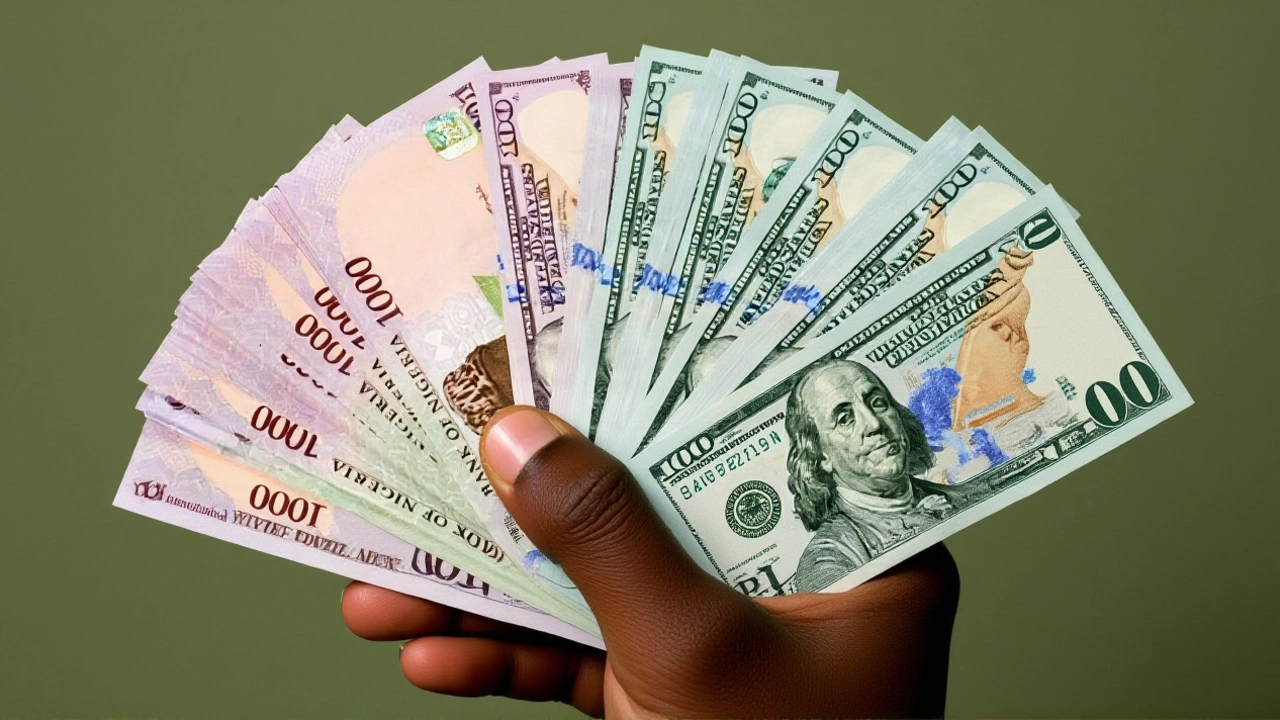
The Nigerian Naira strengthened to 1,480 per USD in September 2025, marking its best monthly performance in years, driven by CBN forex reforms, higher oil revenue, and reduced black market activity.
More