
Naira Appreciation: What It Means for Nigeria's Economy and Everyday Life
When the Naira, the official currency of Nigeria, used for daily transactions, savings, and government spending. Also known as NGN, it is managed by the Central Bank of Nigeria to balance inflation, trade, and foreign investment. appreciates, it doesn’t just mean more zeros on a bank statement—it changes how much bread, fuel, or medicine you can buy. A stronger Naira means imports get cheaper, but local goods may struggle to compete. This isn’t just a number on a screen. It’s the difference between sending your child to school or delaying the electricity bill.
When the Naira strengthens against the dollar, it cuts the cost of imported goods like rice, medicine, and spare parts. That’s good news for families and small businesses that rely on foreign products. But it also hurts local manufacturers. If your factory makes soap or shoes, and Chinese imports suddenly cost 20% less, your customers might walk away. The Nigerian economy is caught in a tight spot: too much reliance on oil exports means currency value swings with global oil prices. When oil rises, dollars flood in, pushing the Naira up. When oil falls, the Naira drops. It’s a cycle that makes planning hard for farmers, traders, and even government planners.
People in Lagos or Kano don’t need economic reports to feel Naira appreciation. They feel it when their monthly grocery bill drops, or when they see a price tag on a new phone and realize they can afford it without dipping into savings. But they also feel it when local products disappear from shelves because producers can’t compete. The inflation rate might look better on paper, but if wages don’t rise with the Naira’s value, most people stay stuck. The Central Bank of Nigeria walks a tightrope—too much appreciation scares exporters, too little scares investors. What’s missing is steady policy, not just reactive moves.
Below, you’ll find real stories and reports from across Nigeria—how businesses are adapting, how households are adjusting, and what’s really happening behind the headlines. These aren’t abstract charts. They’re people paying bills, running shops, and trying to get by in a currency that keeps shifting under their feet.
Naira Surges to 1,480 to the Dollar in September 2025 Amid Steady Forex Reforms
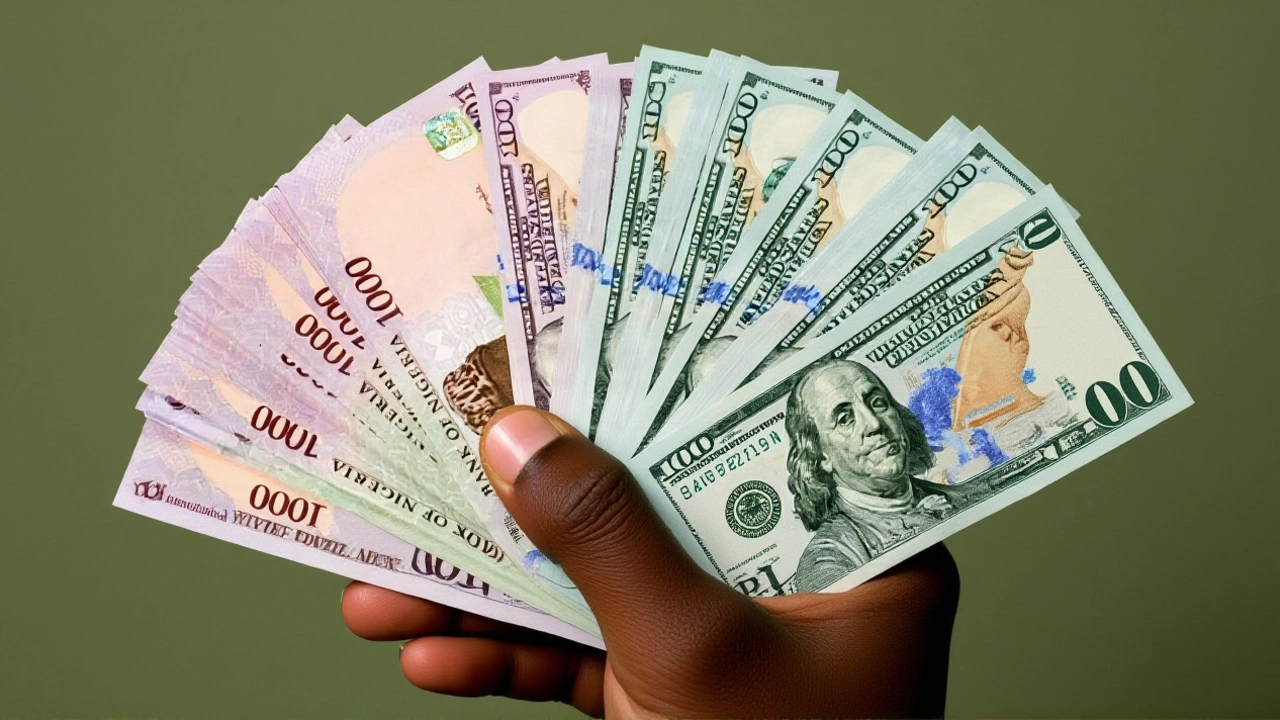
The Nigerian Naira strengthened to 1,480 per USD in September 2025, marking its best monthly performance in years, driven by CBN forex reforms, higher oil revenue, and reduced black market activity.
More