
ODI Match Prediction: How to Forecast Cricket Outcomes with Data and Trends
When you hear ODI match prediction, a data-backed attempt to forecast the result of a One Day International cricket game based on team history, player form, and environmental factors. Also known as cricket forecasting, it’s not guesswork—it’s about spotting patterns in how teams perform under pressure, on specific pitches, and against certain opponents. Think of it like checking the weather before a trip, but for cricket: you’re not just hoping for a win, you’re using facts to see where the edge really lies.
Successful ODI match prediction, a data-backed attempt to forecast the result of a One Day International cricket game based on team history, player form, and environmental factors. Also known as cricket forecasting, it’s not guesswork—it’s about spotting patterns in how teams perform under pressure, on specific pitches, and against certain opponents. isn’t about who’s more popular or who won last time. It’s about team performance, how consistently a side scores runs, takes wickets, and handles pressure in the last 10 overs. Look at Australia’s 2025 win over South Africa in Colombo: they won because their top order converted starts into 300+ totals, while South Africa’s middle order collapsed under spin. That’s not luck—it’s a pattern. Same goes for Pakistan’s 75-run win over Afghanistan in Sharjah: Nawaz’s five-wicket haul wasn’t a fluke. It was the result of a bowling plan built on pitch behavior and batter weaknesses.
match analytics, the use of statistics, player tracking, and historical trends to evaluate likely outcomes in cricket matches is what turns fans into smart observers. You don’t need fancy tools—just pay attention. Where is the match being played? Is it a slow pitch like in Karachi or a flat track like in Melbourne? Who’s bowling the death overs? Is the top order in form or shaky? These aren’t side notes—they’re the core of any real ODI match prediction. And when you see a team like India or England dominate in the first 15 overs but collapse later, you start seeing the same mistake repeat. That’s the signal.
And don’t ignore the human side. A captain’s decision to bowl first after winning the toss isn’t random. It’s based on dew, humidity, and past results. When Australia chose to chase in Delhi last season and won by 8 wickets, it wasn’t because they were better—it was because they knew the pitch would slow down, and their finishers were calm under pressure. That’s the kind of insight you’re looking for.
What you’ll find below isn’t just a list of match results. It’s a collection of real games where prediction mattered—where team form, pitch conditions, and player roles actually decided the outcome. From Fluminense’s home edge in Brazil to Pakistan’s crushing win in Sharjah, the patterns are there. You just need to know where to look.
India vs South Africa: KL Rahul Leads Team in High-Stakes ODI Debut in Ranchi
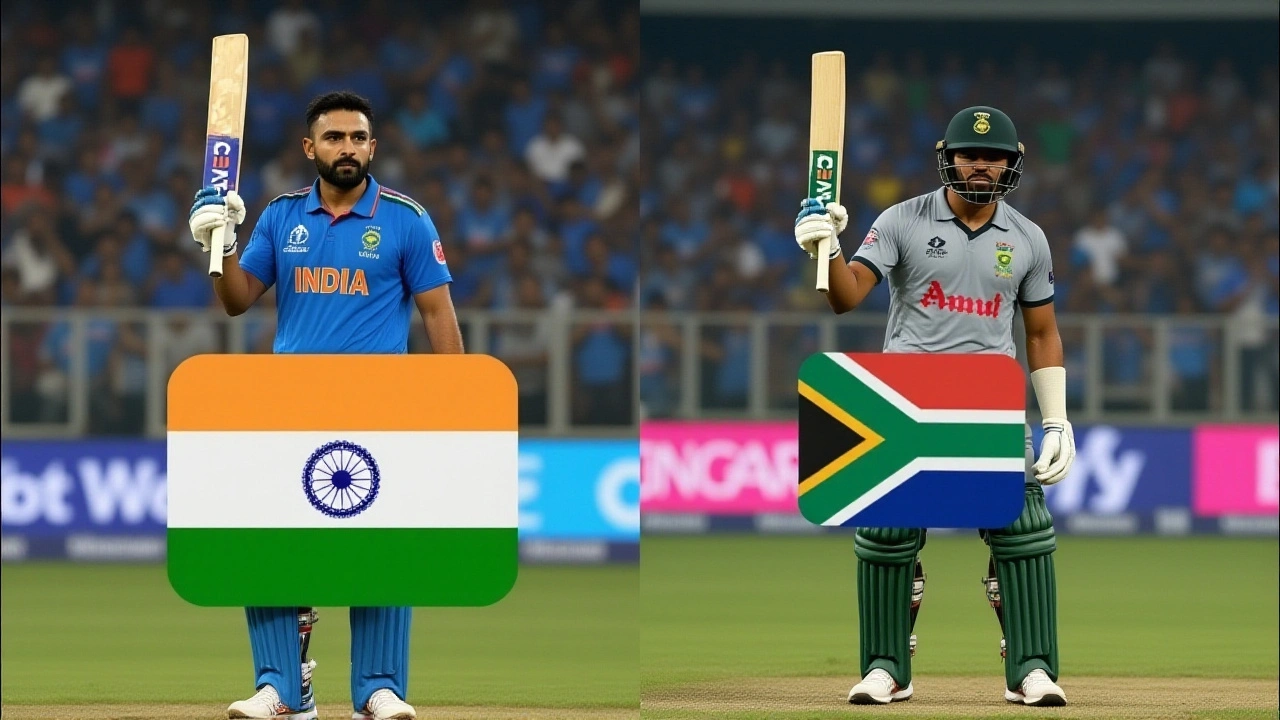
India faced South Africa in a high-stakes ODI on 30 November 2025 in Ranchi, with KL Rahul leading a reshaped side after a Test series loss. Dew, pitch conditions, and a controversial No.4 selection shaped the outcome.
More